Disclosure: This article contains affiliate links. If you purchase through my link, it helps support NEPA Pizza Review at no additional cost to you. If you’d like to check out the book while reading this review, you can find it here: https://amzn.to/3SAi4Vx
Pizza Love by Chef Leo Spizzirri Review: The Pizza Book I Wish I Had 20 Years Ago
There are very few pizza books that make me stop halfway through reading and think…
“Man…I wish I had this book twenty years ago.”
Pizza Love by Chef Leo Spizzirri is one of those books.
I’ve spent over twenty-five years making pizza.
I worked in pizzerias for roughly a decade before starting my at-home pizza journey. Since then, I’ve tested countless recipes, picked the brains of some of the biggest names in the pizza industry, traveled across the Northeast learning from other pizzaiolos, and have spent the last fourteen years learning and teaching pizza through NEPA Pizza Review and, more recently, Virtual Pizza Academy.
Teaching has become one of my favorite parts of this journey.
Not because I enjoy showing people what I know.
Because I enjoy helping people realize they can do something they never thought they could.
That’s why this book resonated with me so deeply.
Chef Leo teaches exactly the way I strive to teach.
He takes something that seems incredibly complicated…
…and somehow makes it feel attainable.
First Impressions: This Isn’t Just Another Pizza Cookbook
Within the first few minutes of opening the book, I knew this wasn’t going to be another cookbook filled with one dough recipe and fifty different topping combinations pretending to be fifty different recipes.
The table of contents immediately caught my attention.
- Neapolitan.
- Roman.
- New York.
- Detroit.
- Chicago Pan.
- Chicago Tavern Style.
- Calzones.
- Stromboli.
- Focaccia.
- Five different sauces.
- Multiple dough formulas.
- Pre-ferments.
- Technique sections.
- Equipment guides.
- Flour education.
This wasn’t a recipe collection.
It was a complete pizza education.
The organization is outstanding.
Everything is exactly where you’d expect it to be, making the book incredibly easy to navigate. It almost feels like a “choose your own pizza adventure.”
You simply decide which pizza you want to make, flip to the recipe, then reference the dough and sauce sections the recipe calls for.
Simple.
Logical.
Digestible.
If you’d like to grab a copy while reading along, you can find Pizza Love here: https://amzn.to/3SAi4Vx
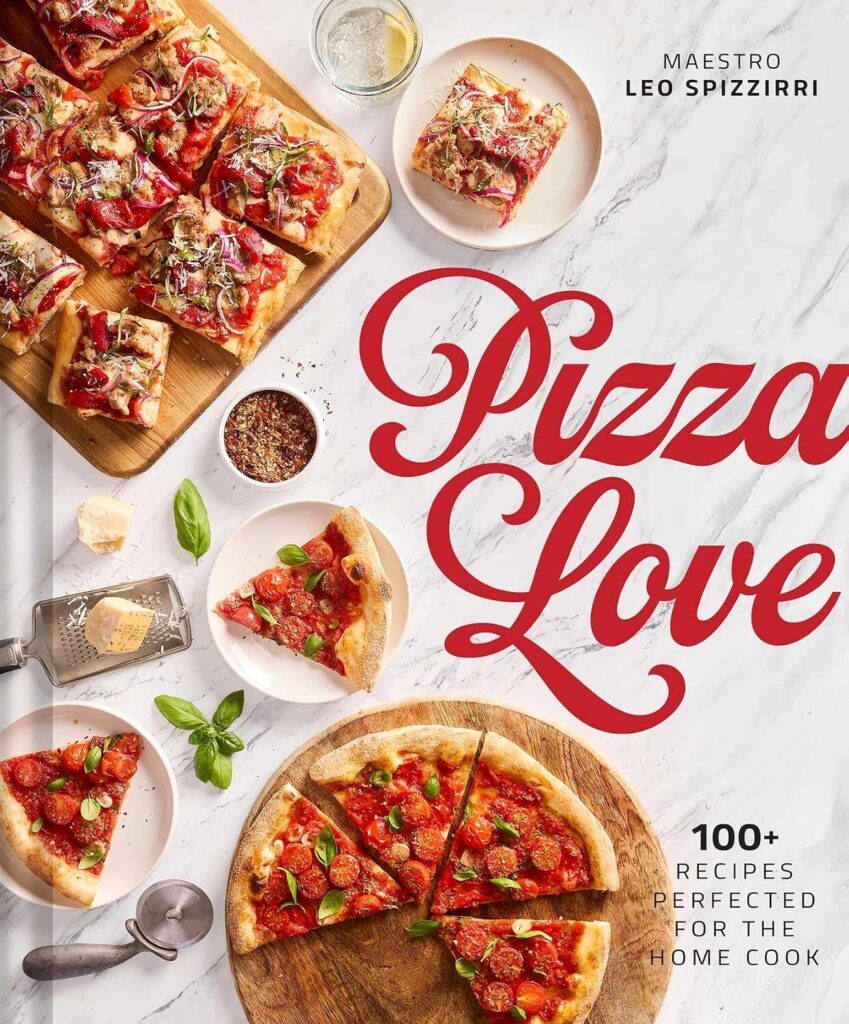
According to the publisher, the book covers:
- 🍕 8 major pizza styles
- 🥣 Multiple dough formulas, including pre-ferments
- 🍅 5 foundational pizza sauces
- 🔥 Neapolitan, Roman, New York, Chicago Tavern, Chicago Pan, Detroit, Calzones, Stromboli, Focaccia, and more
- 🧪 Dough science, fermentation, hydration, baker’s percentages, and gluten development
- 🛠️ Equipment recommendations for home pizza makers
- 🌾 Flour selection and ingredient education
- 📸 Extensive step-by-step photography throughout
The Photography Deserves Its Own Award
Before I even started reading…
I found myself just flipping pages.
The photography is absolutely stunning.
Not because it’s artistic.
Because it’s educational.
There are step-by-step photo sequences showing every stage of stretching dough, building pizzas and baking them.
The Roman pan stretching sequence.
The Chicago deep dish assembly.
The shaping techniques.
Many of them contain twenty or more photographs documenting every movement.
Honestly…
You could almost learn some of these techniques without reading a single word.
It feels like watching Chef Leo teach through photographs.
That isn’t easy to accomplish.
The First 39 Pages Are Worth the Price of the Book
If someone asked me for one piece of advice before buying this book…
I’d tell them don’t skip to the recipes.
Read the first 39 pages.
Seriously.
Those opening chapters may be the most valuable part of the entire book.
Chef Leo explains:
- Equipment
- Flour selection
- Gluten development
- Baker’s percentages
- Fermentation
- Hydration
- Windowpane tests
- Mixing
- Scaling ingredients
- Why each variable matters
Years ago, I made the same mistake many home pizza makers make.
Even after working in pizzerias for years, I didn’t truly understand why things worked.
I knew how to make somebody else’s recipe.
I didn’t understand the science behind it.
I used measuring cups instead of baker’s percentages because I thought they were easier.
Today?
I’d never go back.
Chef Leo explains these concepts in plain English.
Nothing feels intimidating.
Nothing feels overly technical.
He gives readers the confidence to understand pizza rather than simply copy recipes.
That’s an enormous difference.
Chef Leo Doesn’t Just Teach Pizza…He Tells Stories
One thing I’ve always admired about Chef Leo, even before reading this book, is his ability to teach.
Peter Reinhart captures it perfectly in the foreword.
He describes meeting Leo at Pizza Expo and watching people literally stop walking just to listen to him teach.
That description couldn’t be more accurate.
If you’ve ever watched Chef Leo demonstrate pizza making, you know exactly what Peter is talking about.
Leo teaches through stories.
Comparisons.
Personal experiences.
Family memories.
Throughout the introduction he shares stories about growing up between Italian traditions and Chicago culture, learning alongside his mother and Nana while making rustic pan pizzas from whatever flour happened to be in the pantry.
Those stories aren’t filler.
They give every recipe a heartbeat.
The Recipes Feel Familiar…But Better
One thing surprised me.
Many pizza books lean heavily into ingredients you’ve never heard of.
Exotic cheeses.
Specialty meats.
Complicated garnishes.
Pizza Love doesn’t.
The ingredients are approachable.
They’re ingredients I recognize.
Ingredients I already enjoy.
Yet Chef Leo somehow combines them in ways that elevate the final pizza.
Nothing feels pretentious.
Nothing feels inaccessible.
The entire book feels welcoming.
Even recipes with Italian names become approachable because every recipe includes beautiful photography and a personal explanation of why it exists and what inspired it.
Putting Pizza Love to the Test
Eventually there came a point where reading wasn’t enough.
I needed to cook.
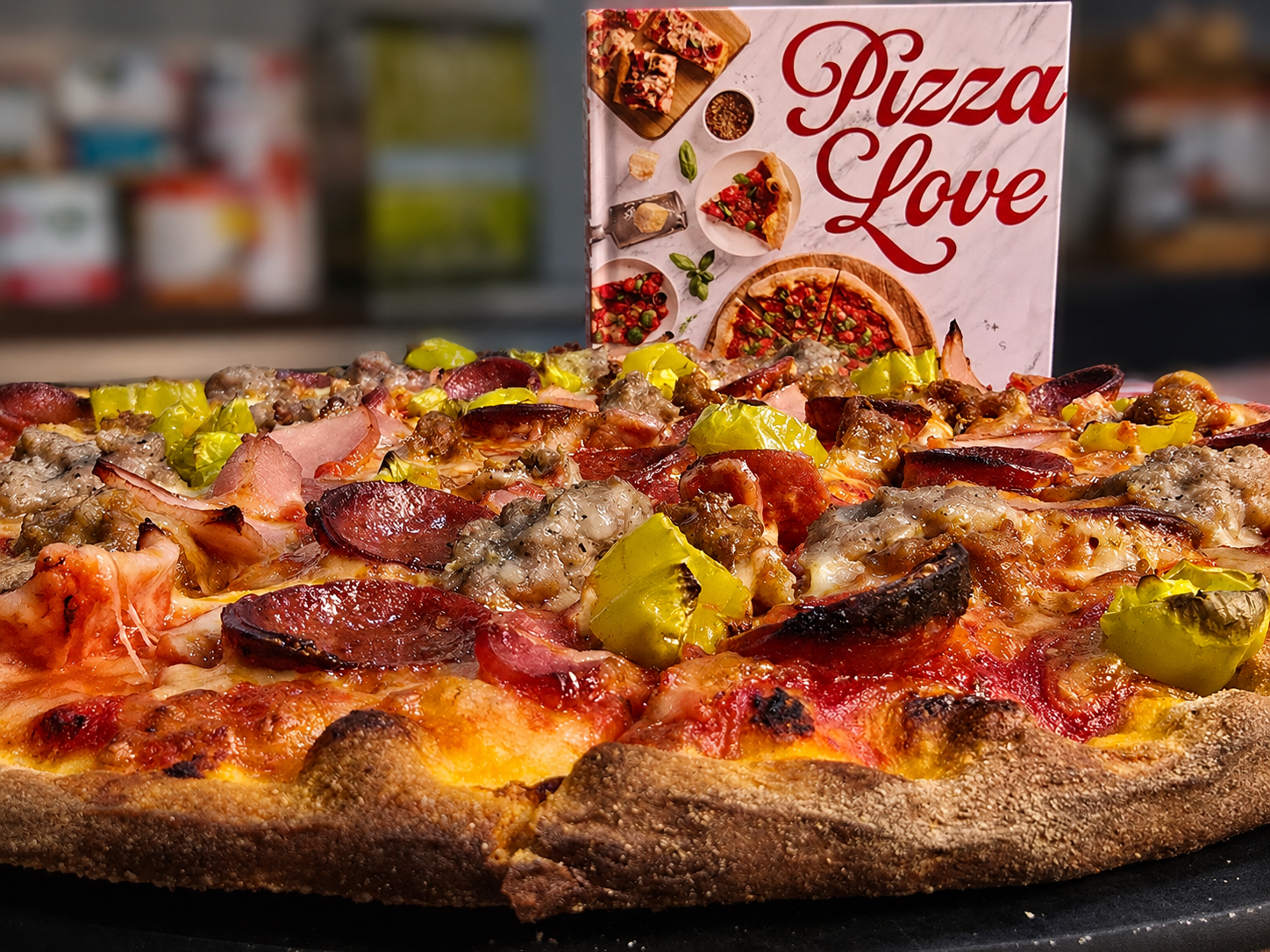
I decided to make two Chicago Tavern pizzas:
- The S.M.O.G.
- The Butcher Boy
The structure of the book made the process incredibly simple.
- Choose the pizza.
- Flip to the dough recipe.
- Make the sauce.
- Return to the pizza recipe.
- Build.
- Bake.
- Repeat.
Being an experienced pizza maker, I honestly didn’t expect to learn much.
I was wrong.
Little tips.
Better topping placement.
Ingredient combinations.
New ways to dress the pizza.
Nothing earth-shattering individually.
Collectively? They elevated my pizza.
The photography inspired me to match Chef Leo’s finished pizzas as closely as possible.
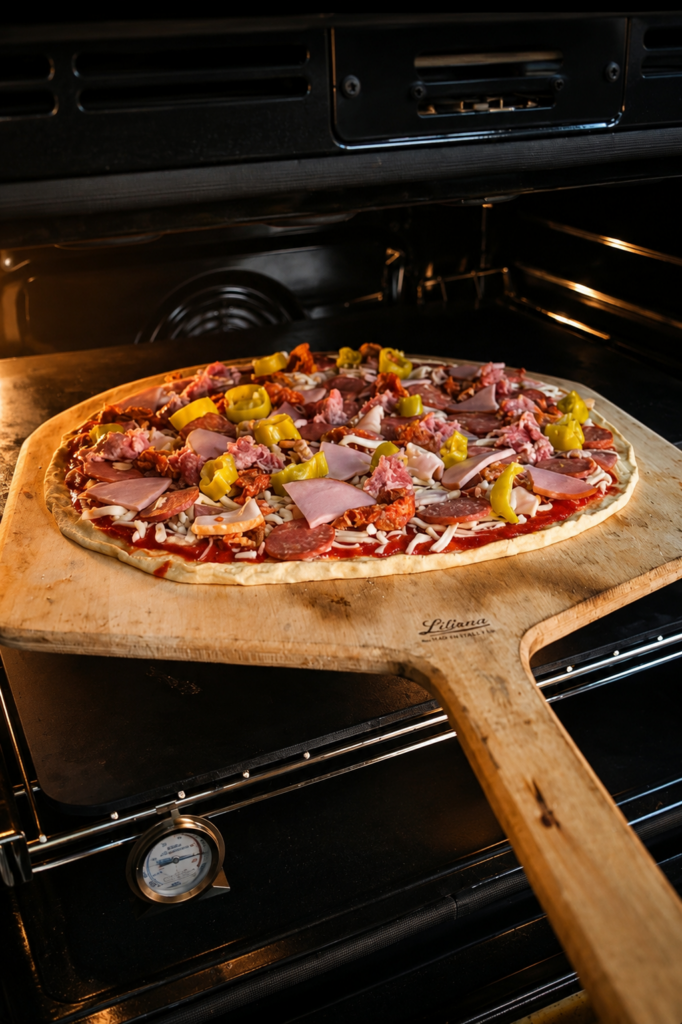
I remember looking down at my Butcher Boy pizza sitting on the peel before it went into the oven.
I actually stopped and admired it.
“This may be the nicest pizza I’ve ever made.”
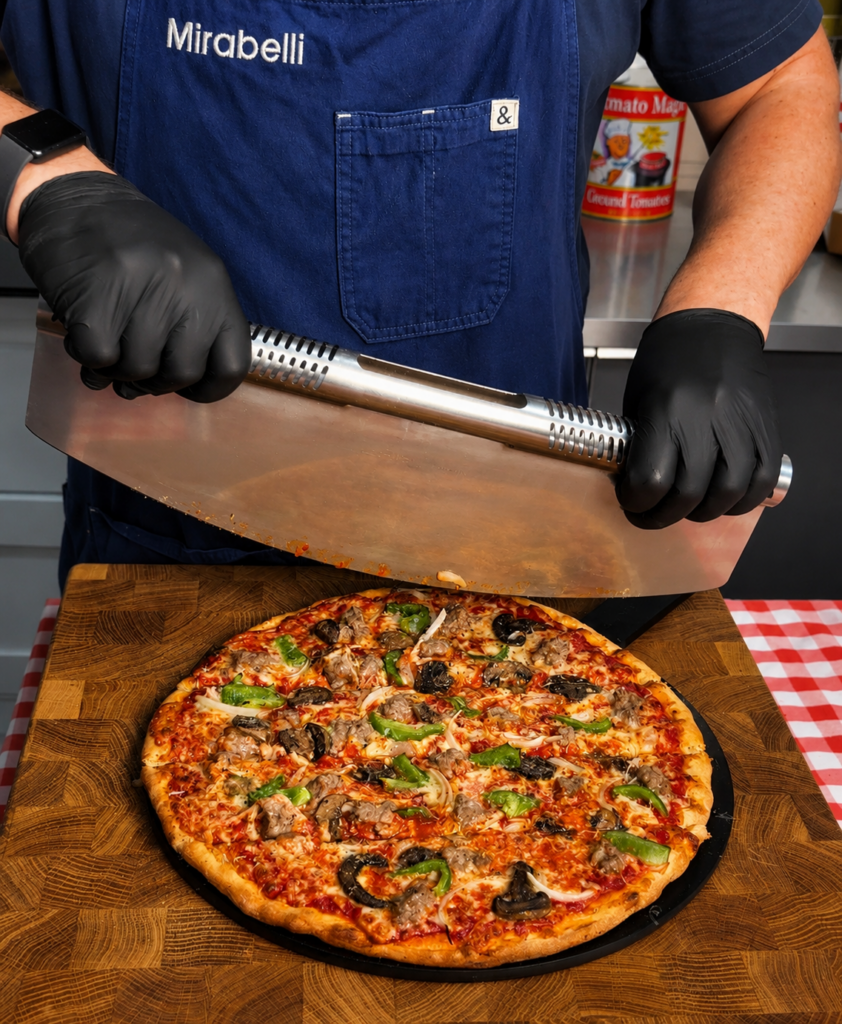
I baked both pizzas on my Baking Steel exactly as instructed.
Watching through the oven window…
I just knew.
The crust was coloring beautifully.
Everything looked right.
When I pulled the pizza from the oven…
Deep golden brown edge crust.
Beautifully browned crispy underside.
Tiny spots of char.
Perfect topping distribution.
One of those rare moments where you simply smile and think…
“Nailed it.”
The strange part?
It didn’t feel difficult.
I wasn’t studying.
I wasn’t trying to memorize techniques.
I was simply following the process.
Learning why I was doing each step.
Then almost without realizing it…
I produced one of the best Chicago tavern pizzas I’ve ever made.
That’s remarkable teaching.
Why This Book Resonated With Me
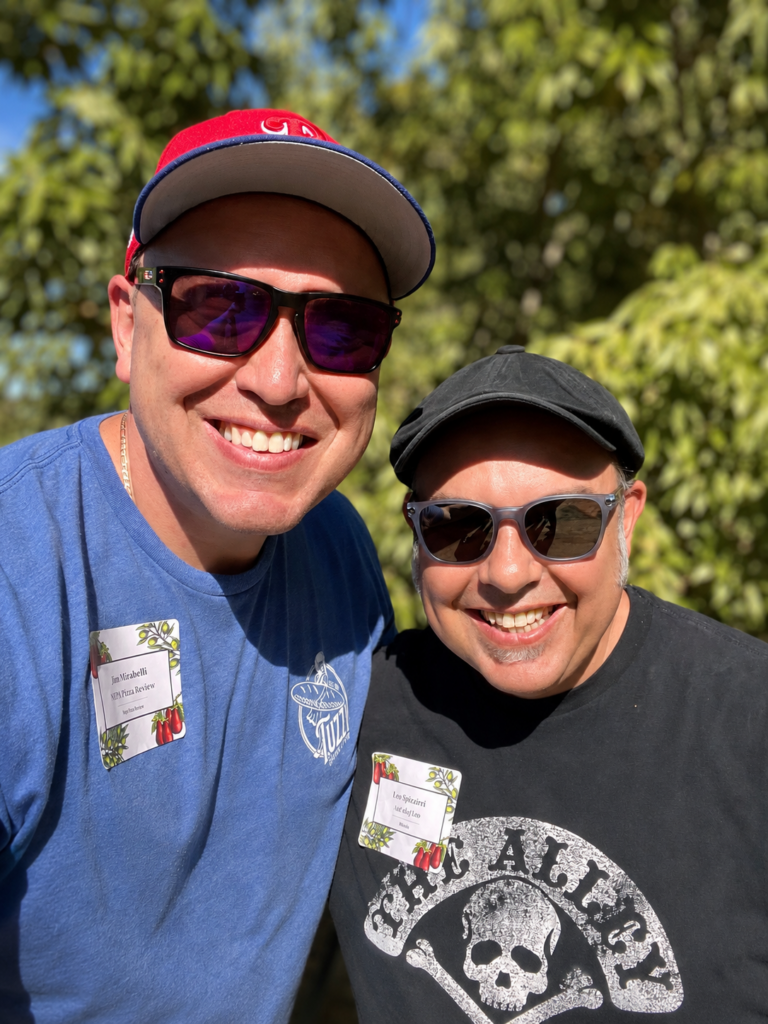
As someone who teaches pizza myself, I realized why I connected with this book so much.
I believe the best teachers don’t make you feel like you’re being taught.
They simply share their passion.
They simplify complex ideas.
They make intimidating concepts approachable.
Before you realize it…
You’re succeeding.
That’s exactly what Chef Leo has accomplished.
This isn’t a cookbook full of recipes.
It’s a pizza education disguised as one.
Final Thoughts: Who Should Buy Pizza Love?
If you’re looking for a coffee table pizza book with pretty pictures…You’ll enjoy this.
If you’re looking for recipes…You’ll enjoy this.
But if you’re someone who truly wants to understand pizza…
- Why dough behaves the way it does.
- Why flour matters.
- Why hydration changes everything.
- Why certain techniques consistently produce better pizza…
This book belongs on your shelf.
Whether you’re a complete beginner or an experienced pizza maker like I am, I genuinely believe you’ll come away a better pizza maker after spending time with Chef Leo.
I know I did.
If you’d like to pick up your own copy of Pizza Love by Chef Leo Spizzirri, you can order it here:
https://amzn.to/3SAi4Vx
Rating: ⭐⭐⭐⭐⭐ (5/5)
Not because every recipe is perfect.
But because very few books teach pizza this effectively while making the reader feel capable of creating something extraordinary.
Also check out my book review of Tony Gemignani’s Pizza Bible!